Thistle Sifter – "Forever The Optimist"
Interview With Pete Barnes

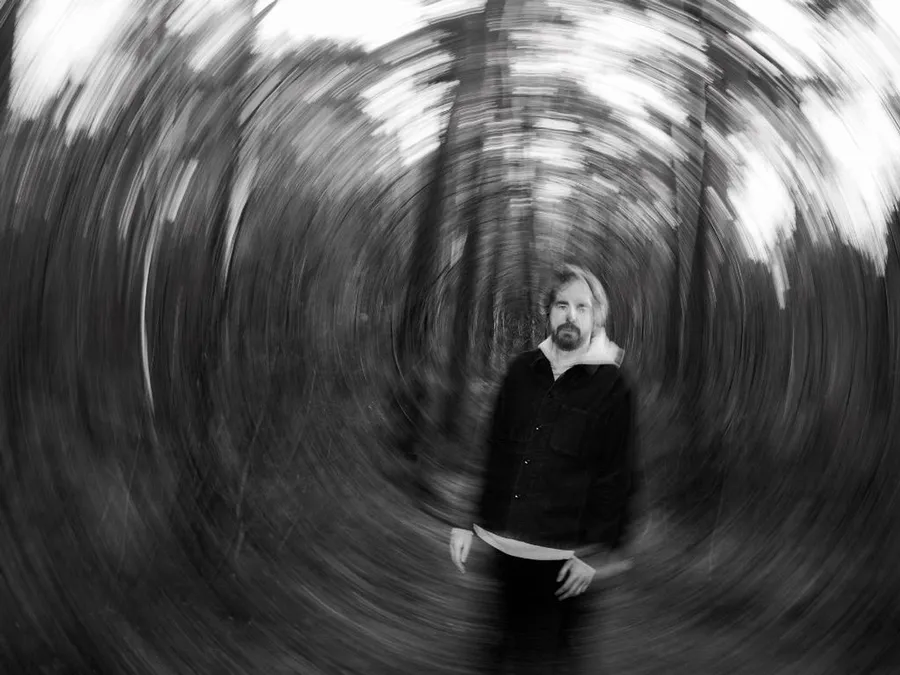
Thistle Sifter, the cinematic post‑rock project around the Utrecht-based English musician Pete Barnes, is entering a new phase with "Ghost Acres". The single hints at his most expansive sound yet. Ahead of the January 9, 2026, release, I sat down with Pete to uncover the central ideas powering this fresh chapter in this exclusive interview.
Inspired by George Monbiot's Regenesis, "Ghost Acres" explores the invisible landscapes that sustain our modern lives—the ghost acreage we depend on for the food and products we consume. It's a slow‑burning, cinematic piece that feels both stunning and unsettling, especially when paired with the haunting visuals by Dutch artist Nici Metselaar. She doesn't shy away from showing the real cost of industrial agriculture.
Heads up: You can find the album link below. The single "One Fleeting Glance" is already out, with the full LP and the track "Ghost Acres" following soon!
The track offers a glimpse into Thistle Sifter's upcoming album, "Forever The Optimist", set for release on 6th February 2026 via FREIA Music (on vinyl, CD, and digitally). Compared to the deeply personal tone of "A Spectral Moon" (2022) and "Circles" (2024), this record steps out into the wider world, tackling climate breakdown, human disconnection, and our endless hunger for growth, all wrapped in lush strings and expansive soundscapes. With help from longtime collaborators like Mark Tersteeg, Nils Breunese, Koen Klarenbeek, and producer Tom Broshuis, it's easily Pete's most complex work to date.
Thistle Sifter will bring this vision to life at dBs in Utrecht on 7th February, followed by a run of European shows. A fitting way to unveil an album that sounds like both a warning and a hopeful whisper. But before all that, let's go straight to the source. So, here's my conversation with Pete Barnes about "Ghost Acres", "Forever The Optimist", and the stories behind them.
Anne: Hi! Thanks so much for taking the time to do this interview. Congratulations on "Forever The Optimist"! What an album!
Your previous full-lengths, "A Spectral Moon and Circles", were heavily influenced by personal experiences. How has your creative approach changed for "Forever The Optimist", particularly in relation to ecological and societal themes?
"Forever The Optimist" deals with existential issues

Pete: The first two Thistle Sifter albums strongly focused on personal struggles, whereas "Forever The Optimist" deals primarily with existential issues. Although differing in themes, the creation of the album was very similar. I am always actively writing, and the music is always an expression of how I am feeling at that moment. During the writing process, I was heavily inspired by writers Jay Griffiths, George Monbiot, Omar El Akkad, and Siddharth Kara. The album touches on themes such as land use, animal rights, cobalt mining in the Congo, climate breakdown, neo-liberalism, and the media's complicity in genocide.
Anne: You said the track "Ghost Acres" is based on ideas from George Monbiot's "Regenesis". It even incorporates a quote from him. How did you translate these environmental ideas into your music, and what emotional impact were you aiming for?
"The track 'Ghost Acres' was inspired by the book 'Regenesis' by George Monbiot and also features a quote from Monbiot talking about the effects of modern-day agriculture on our natural environment."
Pete: The music was inspired by numerous books on climate breakdown I have read in the last couple of years, including Regenesis. "Ghost acres" represent the real amount of land that is needed to produce the products that we consume. This is something close to my heart and something I personally always try to take into account as a consumer.
The confronting imagery used in the "Ghost Acres" video by Dutch visual artist Nici Metselaar highlights the ongoing devastation caused by large-scale agriculture and the knock-on effects this has for the climate worldwide, whilst at the same time confronting the viewer with harrowing imagery of the origins of the products Western consumers purchase on a daily basis.
Anne: Nici Metselaar created the video for "Ghost Acres". How important is the visual component to your music, and how do you typically collaborate with visual artists?
Pete: I have worked with a handful of very talented visual artists to bring the themes on the album to life. Normally, I provide a brief for the video and suggest ideas or certain stock images as examples. For the new album, I collaborated with four different artists to portray the themes on "Forever The Optimist". These will be used for live shows and will also be available to view online following the album release.
Anne: "Forever The Optimist" deals with the effects of human neglect on the environment and fellow humans. Do you see your music as a platform for awareness or change?
Pete: Thistle Sifter is primarily a way for me to express myself. I see this project as an extension of myself and a way to bring to light things that are close to my heart. There is plenty of food for thought on "Forever The Optimist". If the listener is influenced by the album or accompanying visuals and decides to delve into one of its themes, then that is a bonus.
Anne: Since your work is instrumental, how do you convey complex themes like isolation, loss, or environmental destruction purely through sound? Are there specific musical tools or techniques you favour?
"It always starts with a certain emotion"

Pete: Everything always starts with trying to portray a certain emotion. Once an initial idea is recorded, be it on piano or guitar, then I try to add layers to complement it. Sometimes very little needs to be added to the initial demo, like the intro to "Ghost Acres" or the title track "Forever The Optimist". I have tried to add more sparseness to the new album. This is something I find difficult, as I have a tendency to want to keep adding layer after layer, many of which end up getting scrapped later in the recording process.
Anne: You made "Circles" during your recovery from an accident in 2020. How did this experience shape your approach to composition and life in general, and are there still traces of it in "Forever The Optimist"?
Pete: My life was turned upside down in 2020, and although I am now able to do more than I could a couple of years ago, I am still limited in what I can physically and mentally do. One of the positives of the last few years is the installation of a home studio in which I now write and record, which means I am able to create on my own and at my own tempo.
"Circles" was written at a time when I had serious health issues and had a lot of time at home to experiment. Following the release, we started playing regular live shows, and although "Forever The Optimist" was also written at home, I think performing the songs live was always in the back of my mind. There is also maybe more cohesiveness to the compositions than on the previous albums, which possibly also reflects my current state of mind as well!
Anne: "Forever The Optimist" suggests hope despite challenging themes. How do you balance the darker aspects of our time with an optimistic outlook in your music?
Pete: The title of the album is, in fact, tongue in cheek. I am not particularly positive about the plight of our species, and the destruction of our planet weighs heavily on my mind. My partner jokingly referred to me as an eternal optimist, and the title seemed to summarise the themes I was working on. Obviously. There are elements of hope on the album, but as a father, I am concerned about the world homo sapiens has created.
Anne: Thistle Sifter has played festivals like Roadburn and Le Guess Who? How does performing these emotional, often introspective pieces live differ from working in the studio?
Pete: The main difference with live performance is the accompanying visuals, which help to create an immersive experience for the audience. In the studio, all the different layers are recorded separately, which means that it is hard to recreate this as a four-piece on stage. I like the fact that some songs sound very different from how they sound on record. It keeps it interesting and allows everyone in the band to add their own ideas to the live versions. Personally, I draw a lot of positive energy from playing these songs live.
Anne: Earlier albums reflected the isolation caused by Brexit and the Pandemic. Have global or environmental issues also played a part in making "Forever The Optimist"?
"My surroundings always influence me"

Pete: Homo sapiens is the underlying theme of the album. Like everyone, I am heavily influenced by my surroundings, and I have more and more concerns about the world we have created. Our desire to control the natural world has resulted in irreversible destruction to the point that our own future could be at risk. The more I have read about modern technologies, for example, cobalt extraction in Congo for rechargeable batteries, the more sceptical I have become about what technological progress actually means, particularly for other parts of the world. The track Atop A Horrid Hill is inspired by the book Cobalt Red by Siddarth Kara, which investigates the modern-day slavery taking place in the region.
Anne: Which new techniques or approaches did you explore on this album to further develop your sound? How has it changed since your last album?
Pete: I wanted to try something new for this record, instead of repeating the same tricks as on the previous records. "Forever The Optimist" features string arrangements composed and conducted by Mark Tersteeg. This has added a new symphonic dimension to the songs, which will hopefully surprise the listener. "Forever The Optimist" also includes more piano pieces than the previous records, as well as some new synth sounds I was experimenting with at home. Personally, I think the inclusion of these extra layers has led to a more diverse and interesting set of compositions.
Anne: When people listen to the album, what central message or feeling would you like them to take away?
Pete: As I said earlier, there is plenty of food for thought on "Forever The Optimist". I hope that some listeners will find this interesting and look into the subjects mentioned. I also hope that the musical progression is evident to someone who is familiar with my previous work.
Anne: You said you're friends with Wanheda, whom I also interviewed last year. How are you connected with the guys?
Pete: We were lucky enough to play together in Belgium in 2024. Nice guys and a great live band.
Anne: That's so cool. Please send them my regards! After "Forever The Optimist": what new themes or concepts would you like to explore in future albums, and are there ideas extending beyond music (e.g., visual projects, collaborations)?
"My plan is to start working on new music this summer"

Pete: I have numerous new concepts floating around in my head, but it all depends on the direction of the new songs. At the moment, all my time is taken up with the "Forever The Optimist" release and upcoming shows. I hope to start working on new music again in the Summer. I have always seen Thistle Sifter as a project in which different people can be involved, so I would love to explore new musical partnerships in the future.
Anne: If there was one thing in the world you could change: What would you choose and why?
Pete: In this day and age, we live in a very individualistic society. I would like to see people put down their phones more often and show more empathy towards one another, which is something I myself am also guilty of.
Anne: Thanks so much for this interview! It was a pleasure talking with you!
Thistle Sifter – "Ghost Acres"
Thistle Sifter – "Forever The Optimist"
<a href="https://thistlesifter.bandcamp.com/album/forever-the-optimist">Forever The Optimist by Thistle Sifter</a>


